
In 2023, Canadian smartphone users logged an average of 2.8 hours per day on mobile games, up from 2.1 hours in 2020. That extra half‑hour translates into roughly 1.2 billion additional minutes of play across the country each year. The numbers are not just a curiosity; they signal a shift in how Canadians socialize, unwind, and even network.
The Infrastructure That Made It Possible
Canada’s 5G rollout reached 78 percent of the population by mid‑2024, according to the Canadian Radio‑television and Telecommunications Commission. Faster latency means multiplayer titles that once required a console now run smoothly on a phone. In Toronto, the average download speed is 112 Mbps, enough to stream 4K video while playing a real‑time strategy game.
Coupled with the fact that 92 percent of Canadians own a smartphone, the hardware foundation is solid. Even in more remote provinces like Newfoundland and Labrador, carrier‑grade LTE now covers 95 percent of households, eliminating the “rural lag” that used to limit mobile engagement.
Social Features That Turn Play into Conversation
Games such as Among Us and Genshin Impact have built-in voice chat, guild systems, and weekly events that encourage players to coordinate with friends or strangers. A recent survey by the Canadian Interactive Media Association found that 63 percent of respondents had met a new friend through a mobile game, and 27 percent said they now schedule weekly “game nights” with those contacts.
These social layers are reinforced by platform integrations. Discord’s mobile app now supports in‑game overlays for over 150 titles, letting players switch from a match to a voice channel without leaving the game. The result is a seamless blend of gaming and chatting that feels more like a digital coffee break than a solitary pastime.
Monetisation That Doesn’t Break the Bank
Unlike the high‑cost console market, most Canadian mobile games rely on a “freemium” model: the base game is free, while cosmetic skins, battle passes, and limited‑time bundles cost between CAD 0.99 and CAD 9.99. In 2023, the average spend per paying user was CAD 15, well below the CAD 60 average for console gamers in North America. This lower price point makes it easier for groups of friends to purchase shared content, such as clan banners or co‑op expansion packs.
Importantly, the Canadian government’s recent tax credit for digital content creators has encouraged local studios to invest in high‑quality mobile titles, keeping a larger share of revenue within the country.
From Casual Pastime to Cultural Touchstone
Mobile games have begun to appear in unexpected places: community centres host “e‑sports evenings” where seniors compete in puzzle games, and high schools incorporate strategy titles into teamwork workshops. In Vancouver, a local library reported a 42 percent increase in foot traffic after launching a weekly “mobile gaming club” that features titles with strong cooperative modes.
These initiatives show that mobile gaming is no longer a niche hobby; it’s becoming a shared cultural experience that bridges age groups, language barriers, and even provincial identities.
Connecting the Surge to the Wider Online Entertainment Landscape
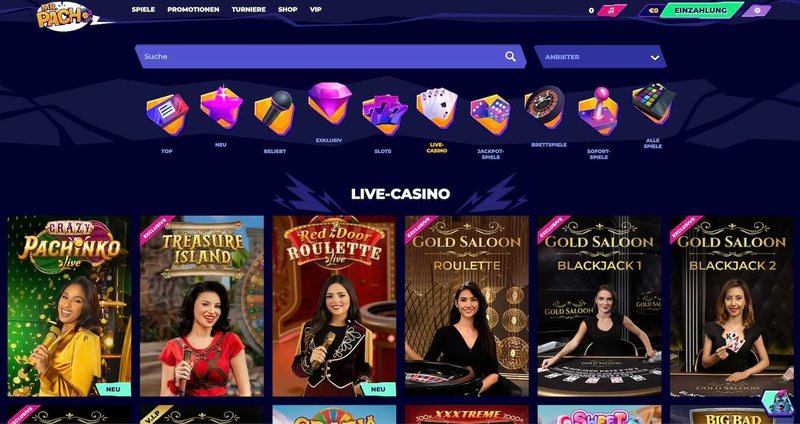
While Canada’s mobile gaming scene thrives on short sessions and social features, it also feeds into the broader world of online entertainment. Players who master a mobile strategy game often transition to browser‑based tournaments or streaming platforms to showcase their skills. In this ecosystem, sites like https://mr-pachocasino.net/ illustrate how the line between mobile gaming and online casino experiences continues to blur, offering Canadians another avenue for digital social interaction.
Challenges That Still Need Attention
Not every segment benefits equally. Rural teenagers in the Yukon reported occasional connectivity drops during peak hours, which can ruin a timed multiplayer match. Moreover, the freemium model can pressure younger players into micro‑transactions, a concern highlighted by a 2024 child‑rights report that called for clearer spending caps.
Addressing these issues will require coordinated effort from carriers, developers, and regulators. Until then, the surge will continue to be uneven, with urban hubs enjoying the full benefits while some peripheral communities lag behind.
What the Future Holds
Looking ahead, the convergence of augmented reality (AR) and mobile gaming promises even richer social experiences. A pilot program in Montreal is testing an AR treasure‑hunt that overlays virtual clues onto historic city landmarks, encouraging teams to explore the streets together while solving puzzles on their phones.
If the current growth trajectory holds, Canada could see mobile gaming generate CAD 3.2 billion in revenue by 2027, according to a report from the Canadian Digital Media Association. That financial boost, paired with the social bonds already forming, suggests that Canada’s mobile gaming surge is more than a trend—it’s reshaping how Canadians connect, compete, and collaborate.
Frequently Asked Questions
Why has mobile gaming usage increased in Canada since 2020?
The rise is driven by faster 5G coverage, more affordable smartphones, and a growing appetite for social, on‑the‑go entertainment.
How does the 5G rollout affect gaming habits?
5G delivers lower latency and higher bandwidth, allowing smoother gameplay and longer sessions, which encourages users to play more often.
What economic impact does the gaming boom have?
Increased play time boosts revenue for developers, creates jobs in tech and marketing, and attracts foreign investment to Canada’s gaming ecosystem.